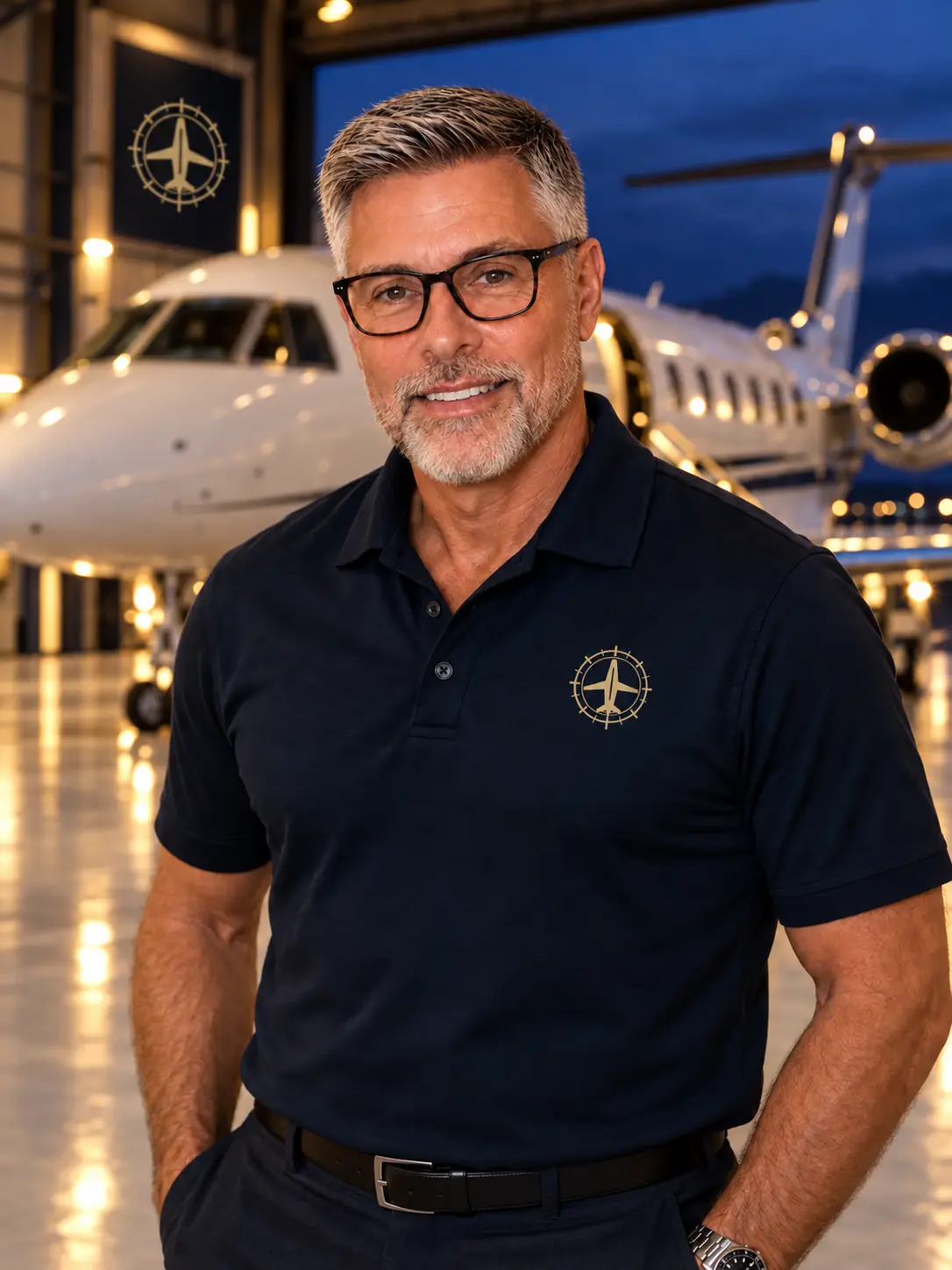
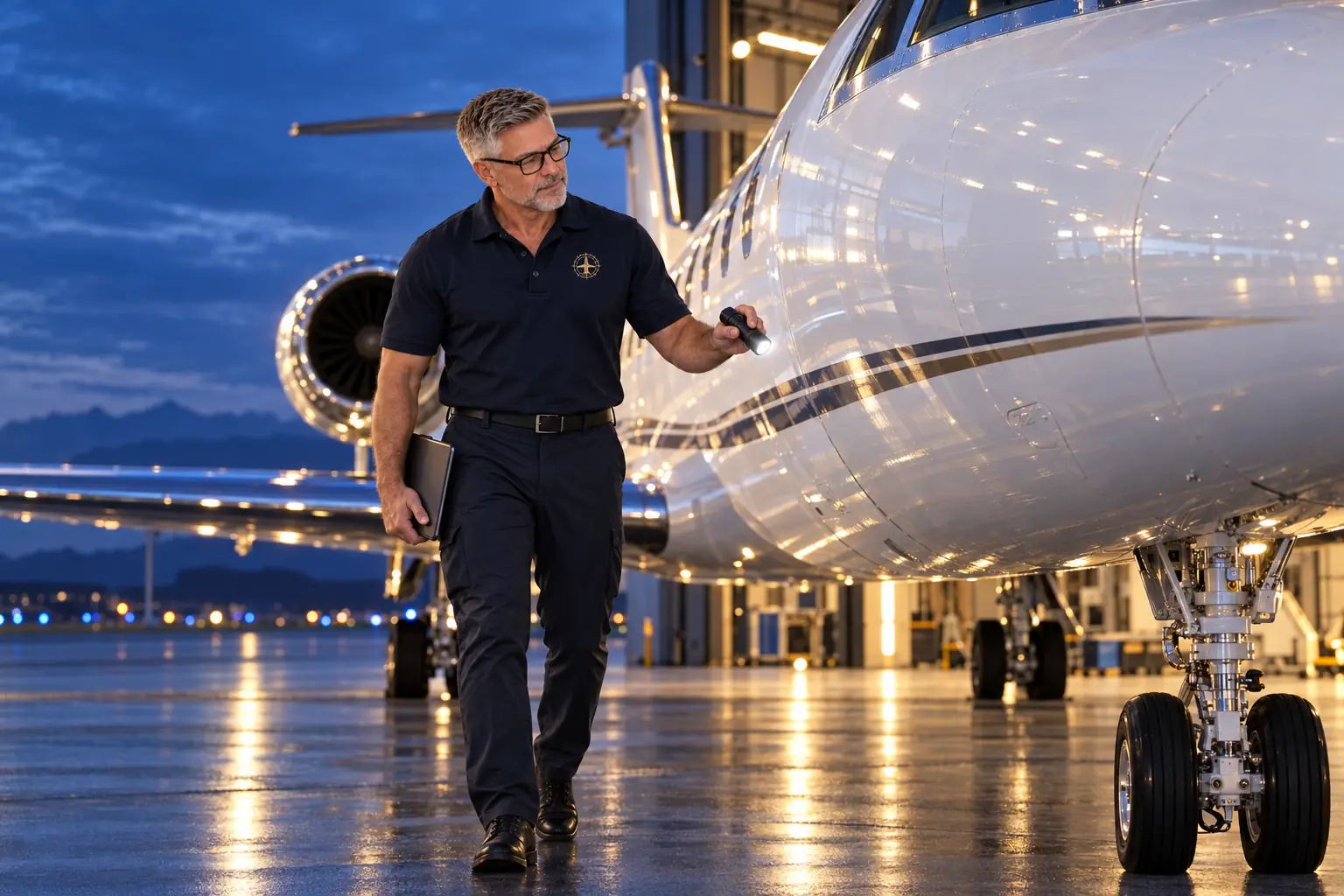
John Harvey conducting an owner-led final walk-around beside an executive jet at blue hour

The RampWright story

Born on the flight line. Still shaped in the cockpit.

For John Harvey, aircraft have never been background. They have been a lifelong source of purpose, discipline, history, and wonder.

Follow the flight path
John Harvey in an executive aircraft hangar
John HarveyFounder · Student pilot · Former U.S. Air Force crew chief

Where the standard began

Aviation was the beginning. RampWright is the continuation.

Some people admire aircraft from a distance. John Harvey has spent a lifetime drawn to what they represent: human ingenuity, disciplined teamwork, freedom, and the relentless pursuit of flight.

That love reaches into aviation history—the pioneers who made flight possible, the military aircraft that changed what missions could accomplish, and the engineering breakthroughs that shaped the modern flight deck. To John, every generation of aircraft carries a story of courage, invention, and progress.

That fascination became responsibility from 1989 to 1997, when John served in the U.S. Air Force Reserve as a crew chief on KC-135 aerial-refueling aircraft during the Gulf War era. On the flight line, standards were not presentation language. They were a promise to the crew, the mission, and everyone depending on that aircraft.

The lesson was permanent: readiness is never accidental. It is built through checklists, accountability, close attention to detail, and respect for the machine. Every panel, surface, system, and handoff matters because the aircraft must be ready when the mission calls.

Today, John is back in the cockpit as a student pilot pursuing his Private Pilot Certificate in a Cessna 172S. Every preflight, lesson, radio call, and hour at the controls reconnects him with the same sense of purpose that first took hold on the ramp.

RampWright grew from that complete aviation story—from an enduring love of flying and its history, to military service, to the experience of learning to fly. It is why RampWright approaches executive aircraft care as an aviation discipline from the beginning, never as automotive detailing transferred to an airplane.

That is the RampWright gold standard today: crew-chief discipline, a student pilot’s perspective, and executive-level presentation brought together in service of the aircraft and the mission ahead.

Our mission

Every aircraft. One uncompromising standard of excellence.

John Harvey Founder · RampWright Executive Aircraft Care
Owner-led by design

The standard is personal.

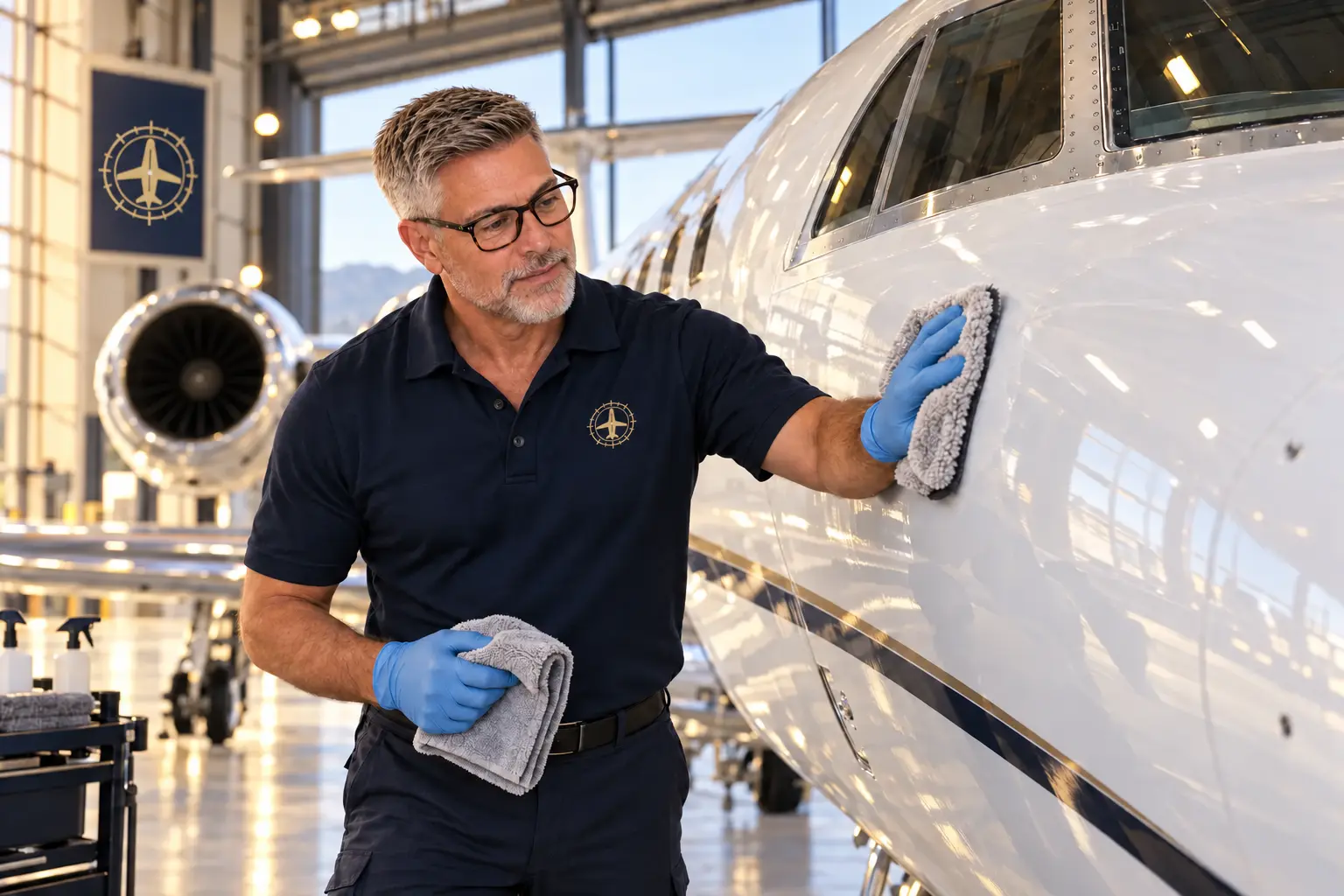
For John, ownership is not a title removed from the work. It means remaining close to the aircraft, understanding what every surface requires, and taking personal pride in the final presentation.

That presence sends a clear message: RampWright’s promise begins with the founder’s own respect for the airplane.

Personally investedAviation informedFinish focused
John Harvey hand-cleaning the fuselage of an executive aircraft
Exterior careThe owner in the work
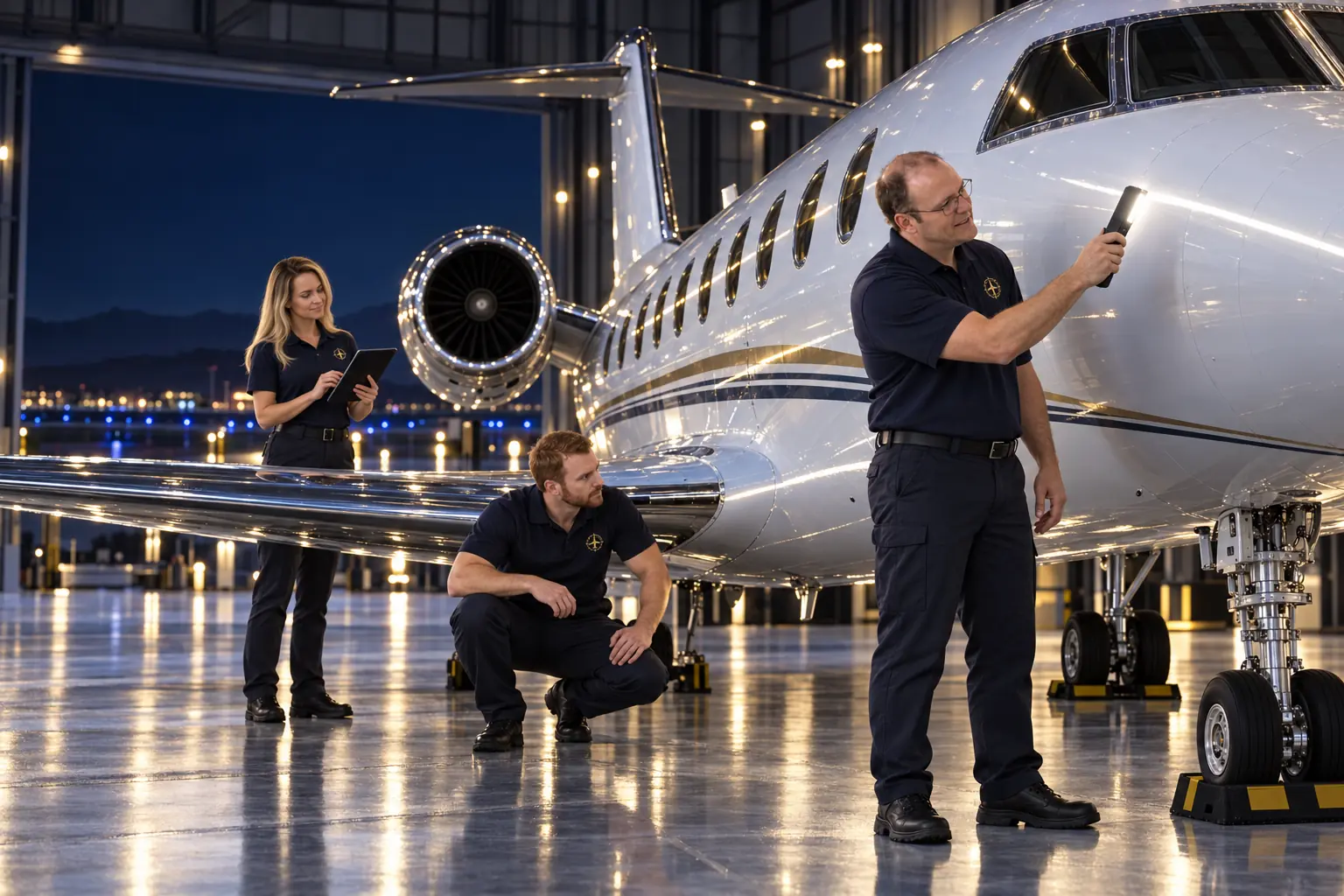
RampWright team performing a controlled nighttime finish inspection
Final verificationQuality before handoff
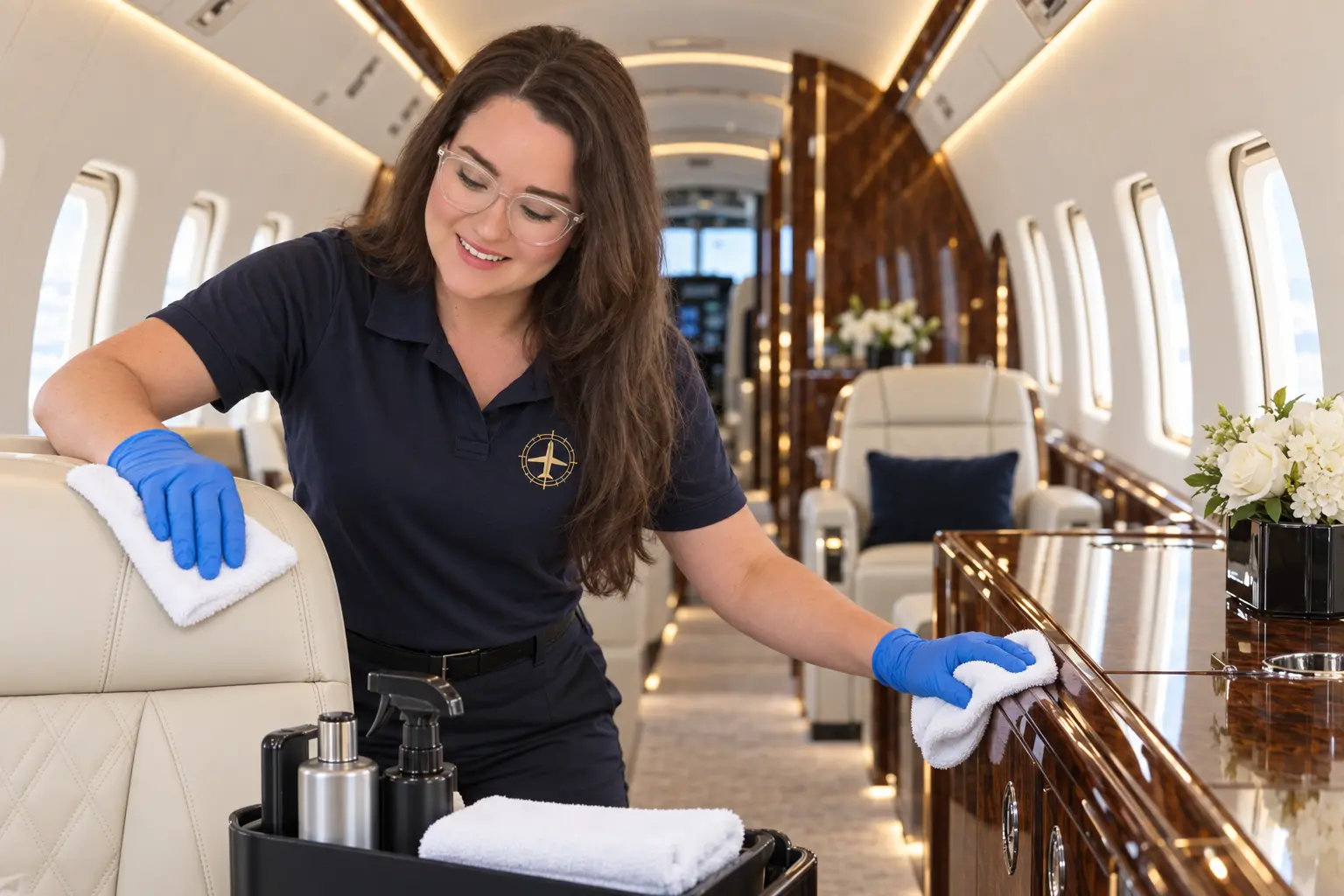
RampWright team member caring for cream leather and walnut finishes inside an executive aircraft cabin
Cabin refinementCare across every material

An aviation life

Four chapters. One enduring standard.

Select a chapter to follow the experiences that shaped RampWright.

The enduring spark

FLIGHT

Flight has always meant more than transportation.

Aircraft bring together history, engineering, courage, precision, and possibility. That combination created a fascination that never faded—and ultimately became the emotional foundation of RampWright.

Respect the machine. Honor the mission.

The gold standard

Built one principle at a time.

For RampWright, “gold standard” is not a slogan. It is a disciplined way of connecting appearance goals to the aircraft, the schedule, and the mission.

01

Aircraft-first scoping

Aircraft type, surface condition, and the areas that matter most establish the starting point.

02

Access-aware coordination

Ramp, hangar, airport, and on-site requirements are identified before the service window.

03

Departure-aware handoff

The ready-by requirement remains visible from the initial request through service planning.

04

Preservation mindset

Correction, protection, presentation, and ongoing care are considered as parts of one appearance strategy.

Who we support

Different roles. One shared standard.

OP

Direct, useful planning for the aircraft you know best.

Tell us what you see, what matters for the next mission, where the aircraft is positioned, and how the service window fits the schedule.

  • One-time presentation resets
  • Cabin and exterior priorities
  • Finish-care conversations

The service path

From request to ready.

Every engagement begins with enough information to make the next conversation precise.

  1. 01

    Define the mission

    Aircraft, location, condition, requested care, and ready-by time.

  2. 02

    Review the variables

    Scope, access, timing, coordination, and any priority areas.

  3. 03

    Confirm the plan

    Agreed work and service-window details before execution.

  4. 04

    Prepare the handoff

    Completion organized around the aircraft’s next use.

Ready to begin

Put the mission into the request.

Use the guided service brief to gather everything needed for a focused follow-up.

Request aircraft care